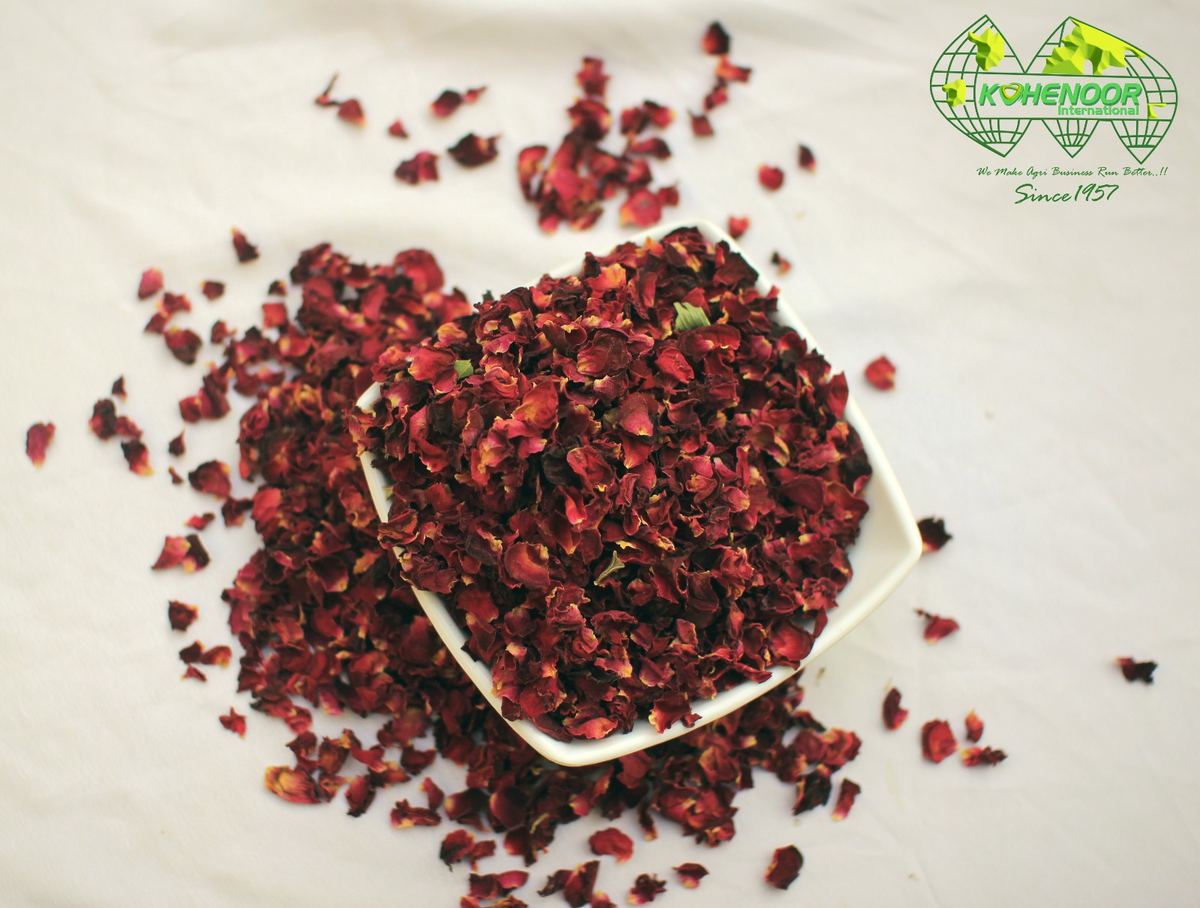
What Are Dried Rose Petals?
Dried rose petals are the carefully preserved petals of various rose species, harvested at peak bloom and dehydrated to lock in their colour, fragrance, and bioactive compounds. For centuries, dried rose petals have occupied a singular place at the intersection of luxury, gastronomy, traditional medicine, and personal care — prized by apothecaries in medieval Europe, perfumers in Persia, confectioners in the Mughal courts, and herbalists across the Islamic world.
Not all roses are equal when it comes to drying. The most commercially valuable varieties for dried petal production are Rosa Gallica (the Apothecary Rose), Rosa damascena (the Damask Rose), and Rosa centifolia (the Cabbage Rose). Each offers a distinct profile of colour, fragrance intensity, and essential oil composition. Pakistan cultivates all three varieties, with Rosa Gallica and Rosa damascena dominating commercial production in the provinces of Khyber Pakhtunkhwa, Punjab, and Balochistan.
The global market for dried rose petals has expanded steadily as demand grows across the food, beverage, cosmetics, wellness, and event decoration industries. Premium dried petals — those with deep, uniform colour, intact structure, and strong natural fragrance — command significant prices on the international market, making them a high-value specialty export for Pakistani producers.
Rosa Gallica: The Apothecary Rose
Rosa Gallica officinalis, commonly known as the Apothecary Rose or the Red Rose of Lancaster, is one of the oldest cultivated rose species in the world. Its history stretches back to the ancient Greeks and Romans, who used it extensively in medicine, perfumery, and religious ceremonies. By the Middle Ages, Rosa Gallica had become the most important medicinal plant in the European pharmacopoeia — grown in monastery gardens and apothecary plots from Provence to Constantinople.
What makes Rosa Gallica uniquely suited for drying is its remarkable colour retention. Unlike many rose varieties that fade to pale brown or grey when dried, Gallica petals retain their deep crimson-to-burgundy hue for months or even years when processed correctly. This intense colour persistence, combined with a rich, complex fragrance that deepens rather than dissipates after drying, makes Rosa Gallica the premier variety for the dried petal trade.
Rosa Gallica also concentrates higher levels of tannins and anthocyanins compared to most modern hybrid roses. These compounds contribute not only to colour stability but also to the astringent, mildly sweet flavour profile that makes Gallica petals desirable in teas, confections, and traditional remedies. In Pakistan, Rosa Gallica cultivation has expanded significantly over the past two decades, driven by rising international demand from the European, Middle Eastern, and East Asian markets.
The Damask Rose (Rosa damascena) is the other cornerstone of the Pakistani rose industry. While Gallica excels as a dried petal, damascena is the world's primary source of rose otto (attar of roses) — one of the most expensive essential oils on earth. Many Pakistani farms cultivate both species side by side, creating a complementary harvest where petals are dried and oils are distilled simultaneously.
Health and Skincare Benefits of Dried Rose Petals
Rose petals have been used in traditional medicine systems — including Unani, Ayurveda, and Persian medicine — for over two thousand years. Modern research is beginning to substantiate many of these traditional applications, identifying specific bioactive compounds responsible for the therapeutic effects long attributed to roses.
Rich in Antioxidants
Dried rose petals contain a significant concentration of polyphenolic compounds, including gallic acid, quercetin, kaempferol, and anthocyanins. These antioxidants help neutralise free radicals and reduce oxidative stress at the cellular level. Studies have demonstrated that rose petal extracts exhibit antioxidant activity comparable to or exceeding that of green tea in certain assay models. The deep red and purple pigments in Rosa Gallica petals are themselves powerful anthocyanins — the same class of compounds found in blueberries and pomegranates.
Anti-inflammatory Properties
The flavonoids and phenolic acids in rose petals exhibit measurable anti-inflammatory effects. Traditional Unani medicine has long prescribed rose petal preparations for sore throats, mouth ulcers, and digestive inflammation. Rose water (a by-product of rose petal distillation) is widely used across the Middle East and South Asia as a soothing topical application for irritated or sunburned skin.
Natural Skin Toner and Astringent
The tannin content in dried rose petals gives them natural astringent properties, making them effective as a gentle skin toner. When steeped in water and applied to the face, rose petal infusions help tighten pores, balance skin pH, and remove excess oil without the harshness of synthetic astringents. This is why rose water has been a cornerstone of skincare regimens from ancient Persia to modern Korean beauty routines.
Vitamin C and Skin Health
Rose petals — particularly those from Rosa Gallica and Rosa canina (dog rose) — contain meaningful levels of vitamin C, a nutrient essential for collagen synthesis, skin repair, and immune function. Rose hip (the fruit of the rose plant) is famously rich in vitamin C, and the petals themselves contribute additional amounts along with complementary bioflavonoids that enhance vitamin C absorption.
Mood and Aromatherapy Benefits
The fragrance of roses has been clinically associated with reduced anxiety and improved mood. Studies in aromatherapy research have shown that inhaling rose essential oil or rose petal aroma can lower cortisol levels, reduce heart rate, and promote a sense of calm. Dried rose petals used in sachets, pillows, and bath preparations leverage this aromatic benefit directly. In traditional Persian and Mughal wellness practices, rooms were scattered with fresh and dried rose petals to create an atmosphere of serenity and refinement.
Quality Indicator for Health Applications
For culinary and therapeutic use, always source food-grade, pesticide-free dried rose petals with documented processing methods. Petals dried at low temperatures (below 40°C) or through shade-drying retain more of their bioactive compounds compared to those processed with industrial heat. Request a Certificate of Analysis (COA) verifying pesticide residue levels, heavy metals, and microbial counts before purchasing for food or cosmetic applications.
Culinary Uses of Dried Rose Petals
The culinary heritage of roses is vast and global. From the Mughal feasts of the Indian subcontinent to the pastry shops of Paris, dried rose petals and rose water have perfumed and flavoured some of the world's most celebrated dishes for centuries.
Rose Water Production
Rose water — produced by steam-distilling fresh or dried rose petals — is arguably the most widely used rose product in global cuisine. It is an essential flavouring in Middle Eastern, South Asian, and North African cooking, appearing in everything from baklava and Turkish delight to lassi, falooda, and biryani. While fresh petals are traditionally preferred for distillation, high-quality dried petals (particularly Rosa damascena) can produce excellent rose water when properly hydrated and distilled. Commercial rose water production is a significant industry in Pakistan, Iran, Turkey, Bulgaria, and Morocco.
Rose Petal Tea
Dried rose petals make a delicate, fragrant herbal tea that can be enjoyed on its own or blended with green tea, black tea, hibiscus, or chamomile. Rose petal tea has a subtle floral sweetness with mild astringent notes and a beautiful pale pink to ruby colour in the cup. It is traditionally consumed in Iran, Afghanistan, and Central Asia both for pleasure and for its purported digestive and calming benefits. To brew, steep 1-2 tablespoons of dried petals in freshly boiled water for 5-8 minutes and strain. Honey complements the floral notes beautifully.
Middle Eastern and Persian Cuisine
Rose petals and rose water are deeply woven into the culinary traditions of the Middle East and Persia. Dried rose petals are ground into spice blends such as ras el hanout (a complex North African mix that can contain over 30 ingredients) and advieh (a Persian spice blend used in rice dishes and stews). Whole dried petals garnish rice pilafs, decorate festive desserts, and infuse syrups for sharbat — the traditional chilled rose drink served across the region during Ramadan and summer celebrations.
Indian Sweets and Confections
In the Indian subcontinent, rose petals and rose water are integral to the confectionery tradition. Gulkand — a sweet preserve made by layering fresh rose petals with sugar and sun-curing for weeks — is a beloved Ayurvedic preparation used in paan, milkshakes, and desserts. Rose-flavoured barfi, gulab jamun, ras malai, and kheer all rely on rose water or crushed dried petals for their signature fragrance. The Mughal culinary legacy, which profoundly influenced modern South Asian cuisine, placed roses at the centre of courtly gastronomy.
European Confections and Patisserie
European pastry traditions also embrace roses. Turkish delight (lokum) is perhaps the most iconic rose-flavoured confection, but rose petals also appear in French macarons, crystallised petal decorations on cakes, rose petal jam (popular in Bulgaria, Turkey, and the Balkans), and artisanal chocolate truffles. High-end patisseries in London, Paris, and Dubai increasingly source premium dried rose petals from Pakistan for their natural colour and authentic fragrance.
Cosmetic and Skincare Applications
The beauty industry's embrace of natural, botanical ingredients has elevated dried rose petals from a niche apothecary product to a mainstream cosmetic ingredient. Roses appear in luxury skincare lines from brands worldwide, and the demand for authentic, high-quality rose petal ingredients continues to grow.
DIY Face Masks and Scrubs
Dried rose petals can be ground into a fine powder and combined with natural bases such as honey, yogurt, clay, or oatmeal to create nourishing face masks. A simple rose petal face mask — made by blending powdered petals with raw honey and a few drops of rose water — provides gentle exfoliation, hydration, and the antioxidant benefits of the petal compounds. The natural astringency helps tighten pores, while the subtle fragrance transforms the skincare routine into an indulgent ritual.
Bath Soaks and Body Care
Whole dried rose petals are a classic addition to bath soaks, where they release their colour, fragrance, and beneficial compounds into the warm water. Combined with Epsom salt, dead sea salt, or Himalayan pink salt, dried rose petals create luxurious bath products that appeal to the growing wellness market. Many artisanal bath product manufacturers — particularly in the United States, United Kingdom, and Australia — source their petals in bulk from Pakistani suppliers for both their quality and competitive pricing.
Potpourri and Home Fragrance
Dried rose petals are the foundational ingredient in traditional potpourri — a centuries-old method of natural home fragrance. The deep colour and lasting scent of Rosa Gallica petals make them particularly desirable for this application. Modern potpourri blends often combine dried roses with lavender, citrus peel, cinnamon, and essential oils for layered, complex fragrance profiles. The home fragrance market represents a significant volume segment for dried rose petal exporters.
Wedding and Event Decorations
Dried rose petals have become a staple of the global wedding and events industry — valued for their natural beauty, biodegradability, and romantic symbolism. Unlike fresh petals, which wilt within hours and can stain fabrics, properly dried petals maintain their shape, colour, and fragrance throughout an event and leave no residue.
Common applications include aisle scattering for outdoor and indoor ceremonies, confetti toss as an eco-friendly alternative to paper or plastic confetti, table centrepiece accents, and invitation embellishments. The trend toward sustainable, natural weddings has driven a surge in demand for dried flower products, with rose petals leading the category. Destination weddings in the Middle East, Mediterranean, and South Asia are particularly strong markets.
Event planners typically order dried rose petals in bulk quantities of 5-50 kg per event, with colour-specific requirements ranging from deep crimson and burgundy to soft pink, ivory, and mixed palettes. Pakistani exporters can meet this demand with colour-sorted, graded petals at prices significantly below European or North American suppliers.
Quality Specifications for Dried Rose Petals
When sourcing dried rose petals wholesale for commercial use — whether for food manufacturing, cosmetics, wedding supply, or retail packaging — these are the key quality parameters to evaluate:
| Parameter | Premium Grade | Standard Grade |
|---|---|---|
| Colour Retention | Deep crimson / burgundy, uniform | Moderate colour, some fading |
| Moisture Content | ≤ 8% | ≤ 10% |
| Petal Size | Whole petals, 3-5 cm | Mixed sizes, some fragments |
| Fragrance | Strong, natural rose scent | Moderate fragrance |
| Foreign Matter | ≤ 0.5% | ≤ 1.5% |
| Pesticide Residues | Below EU MRL limits | Within local regulatory limits |
| Microbial Count (TPC) | ≤ 10,000 CFU/g | ≤ 100,000 CFU/g |
| Variety | Rosa Gallica / Rosa damascena | Mixed garden varieties |
| Packaging | Vacuum-sealed, 5/10/25 kg | PP bags, 25/50 kg |
Colour Grading Matters
For wedding and decorative applications, colour consistency is the single most important quality factor. Buyers should request colour samples before placing bulk orders and specify whether they need single-colour lots (deep red, pink, ivory) or custom mixes. Premium Pakistani exporters offer colour-sorted dried rose petals that are hand-graded to ensure uniformity within each lot.
Pakistani Dried Roses: Growing Regions and Processing
Pakistan's diverse climate and geography provide ideal conditions for rose cultivation across several distinct growing zones, each contributing unique characteristics to the final dried product.
Khyber Pakhtunkhwa and the Northern Highlands
The cooler valleys and terraced hillsides of Khyber Pakhtunkhwa — particularly the districts of Peshawar, Charsadda, Mardan, and Swat — are traditional centres of Rosa damascena and Rosa Gallica cultivation. The moderate temperatures and clean mountain air of these regions produce roses with exceptionally concentrated fragrance. Many farms in this zone also operate small-scale distilleries for rose water and rose oil extraction, creating an integrated production model where petals and essential oils are harvested simultaneously.
Punjab and Sindh
The fertile plains of Punjab and northern Sindh support large-scale rose cultivation, particularly around Lahore, Multan, and Hyderabad. These warmer regions produce roses with vibrant colour and higher yields per hectare, making them well-suited for bulk dried petal production. The strong sunlight accelerates colour development in the petals, resulting in deep crimson hues that are prized in the export market.
Processing and Drying Methods
The quality of dried rose petals depends as much on processing as on cultivation. Pakistani producers use several methods depending on the target market and price point:
- Shade drying: Petals are spread in thin layers on mesh trays in ventilated, shaded areas. This slow method (3-7 days) preserves the most colour, fragrance, and bioactive compounds. It is the preferred method for food-grade and cosmetic-grade petals.
- Solar tunnel drying: A semi-controlled method using transparent tunnel structures that harness solar heat while protecting petals from direct UV exposure. This offers faster drying (1-3 days) with good quality retention.
- Mechanical dehydration: Industrial dryers set at low temperatures (35-45°C) provide the most consistent results at scale. This method is increasingly adopted by export-oriented producers who need to guarantee uniform moisture content and meet international food safety standards.
Regardless of method, harvesting timing is critical. Roses are picked at dawn, when dew has evaporated but before the heat of the day causes volatile oils to dissipate. The petals are separated from the calyx within hours of harvest and processed immediately to prevent enzymatic browning and microbial growth.
Export Infrastructure
Pakistan's position on major international shipping routes gives its rose petal exporters a logistical advantage. FOB Karachi rates to the GCC countries, East Africa, Southeast Asia, and Europe are competitive, and the presence of established cold chain and packaging facilities in Karachi and Lahore ensures that dried petals reach international buyers in optimal condition. The country's dried flower exports have grown significantly in recent years, driven by rising demand from the European wellness market, Middle Eastern food industry, and global wedding supply chains.
Source Premium Dried Rose Petals from Pakistan
Kohenoor International has exported dried flowers, herbs, and botanicals to 30+ countries since 1957. We supply food-grade and cosmetic-grade dried rose petals (Rosa Gallica, Rosa damascena) with COA on every shipment. MOQ starts at 500 kg.
Request a Quote →How to Store Dried Rose Petals
Proper storage is essential to preserving the colour, fragrance, and functional properties of dried rose petals over time. Petals should be kept in airtight containers — glass jars with tight-fitting lids or vacuum-sealed food-grade bags — in a cool, dark, dry environment. The ideal storage temperature is below 25°C with relative humidity under 50%. Under these conditions, premium dried rose petals retain their quality for 12-24 months.
Exposure to direct sunlight accelerates colour fading, while excess moisture can cause mould growth and spoilage. Dried rose petals also readily absorb ambient odours, so they should be stored away from strong-smelling substances. For bulk commercial storage, climate-controlled warehouses with consistent temperature and humidity monitoring provide the most reliable long-term preservation.
Frequently Asked Questions About Dried Rose Petals
Are dried rose petals edible?
Yes, dried rose petals are edible provided they are food-grade and free from pesticides and chemical treatments. Petals from Rosa Gallica, Rosa damascena, and Rosa centifolia are all commonly used in food and beverages. Always verify that petals are specifically labelled for culinary use — decorative dried flowers may be treated with preservatives or dyes that are not food-safe.
Can dried rose petals be used for tea every day?
Rose petal tea is generally considered safe for daily consumption. It is naturally caffeine-free and low in calories. Traditional medicine systems recommend it as a gentle digestive aid and calming beverage. However, individuals with specific allergies to roses or members of the Rosaceae family should exercise caution. As with any herbal tea, moderation is sensible — 1-3 cups per day is a typical recommendation.
How many dried rose petals do I need for a wedding?
A general guideline is approximately 1 litre (roughly 15-20 grams) of dried rose petals per guest for confetti toss, or 8-10 litres per metre for aisle decoration. A 100-guest wedding with aisle scattering and confetti typically requires 3-5 kg of dried petals. For large-scale or heavily decorated events, 10-15 kg may be appropriate. Consult your supplier for specific volume-to-weight ratios, as petal density varies by variety and drying method.
What is the difference between food-grade and decorative dried rose petals?
Food-grade dried rose petals are grown without harmful pesticides, processed in hygienic facilities, and tested for microbial counts, heavy metals, and pesticide residues. They come with documentation such as Certificates of Analysis and food safety certifications. Decorative petals may be treated with colour enhancers, preservatives, or fragrances that are not safe for ingestion. Always specify your intended use when ordering.
Why are Pakistani dried rose petals considered premium?
Pakistan produces both Rosa Gallica and Rosa damascena varieties with exceptional colour depth, fragrance intensity, and petal integrity — qualities driven by favourable growing conditions including clean mountain air, mineral-rich soils, and optimal sunshine hours. Pakistani producers offer these premium petals at competitive prices relative to European origins (particularly Bulgaria and Turkey), making Pakistan an attractive sourcing destination for buyers seeking the best balance of quality and value. Established export infrastructure and certifications further support the country's position as a reliable rose petals supplier.